Feeding Futures fuels district-wide growth in universal meal programs
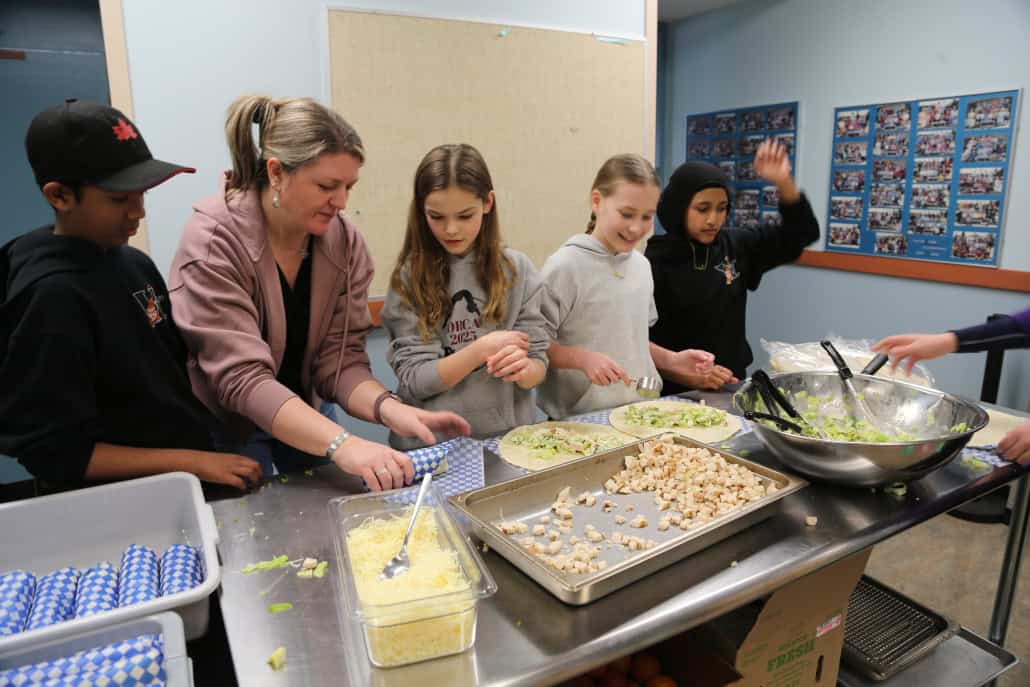
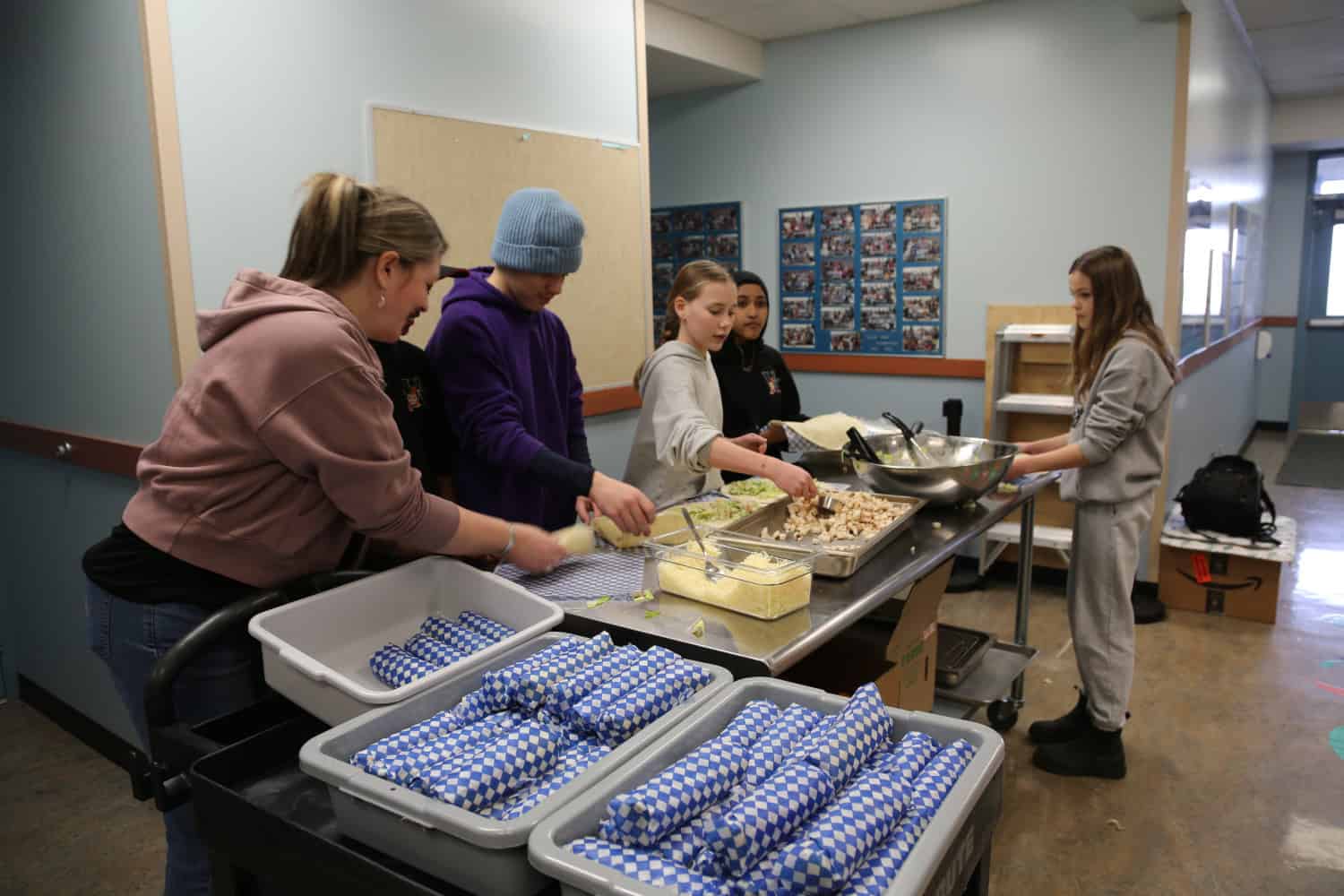
Comox Valley Schools is making significant progress in expanding access to nutritious school meals, with the district’s Feeding Futures School Food Program now reaching nearly half of all students.
Prior to January 2025, approximately 19 per cent of students had access to a universal, low- or no-barrier lunch program. That figure has since increased to 44 per cent, with access expected to reach 48 per cent with additional programs launching in 2026. This level of access greatly exceeds initial provincial targets and places Comox Valley Schools among leading districts in British Columbia for universal school food programming.
“Equitable food access supports student wellbeing and learning,” said Thea Cockerton, Food Services Coordinator. “As school food programs continue to grow in Comox Valley Schools, more students are able to access nutritious meals in a way that supports equity, dignity, and community.”
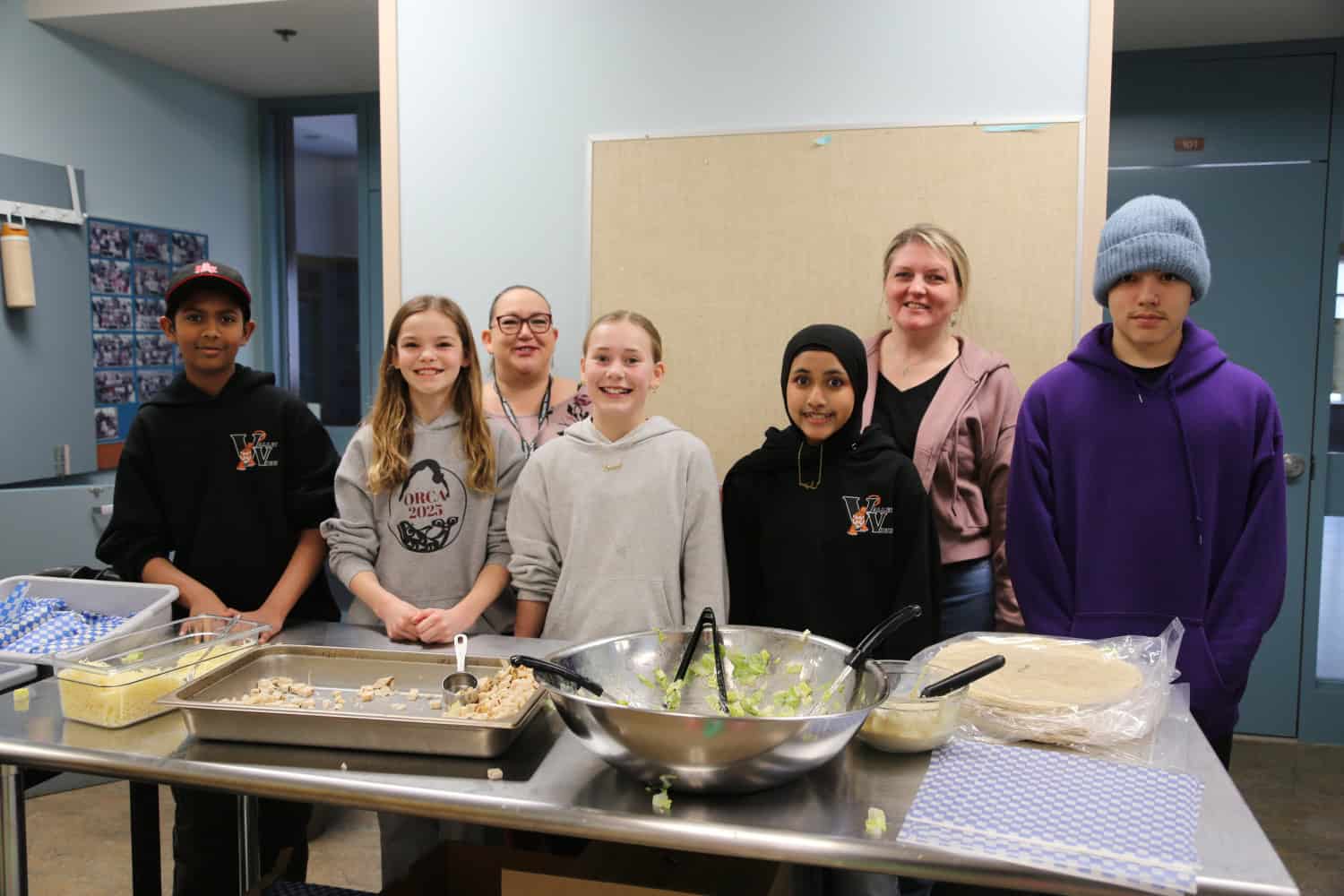
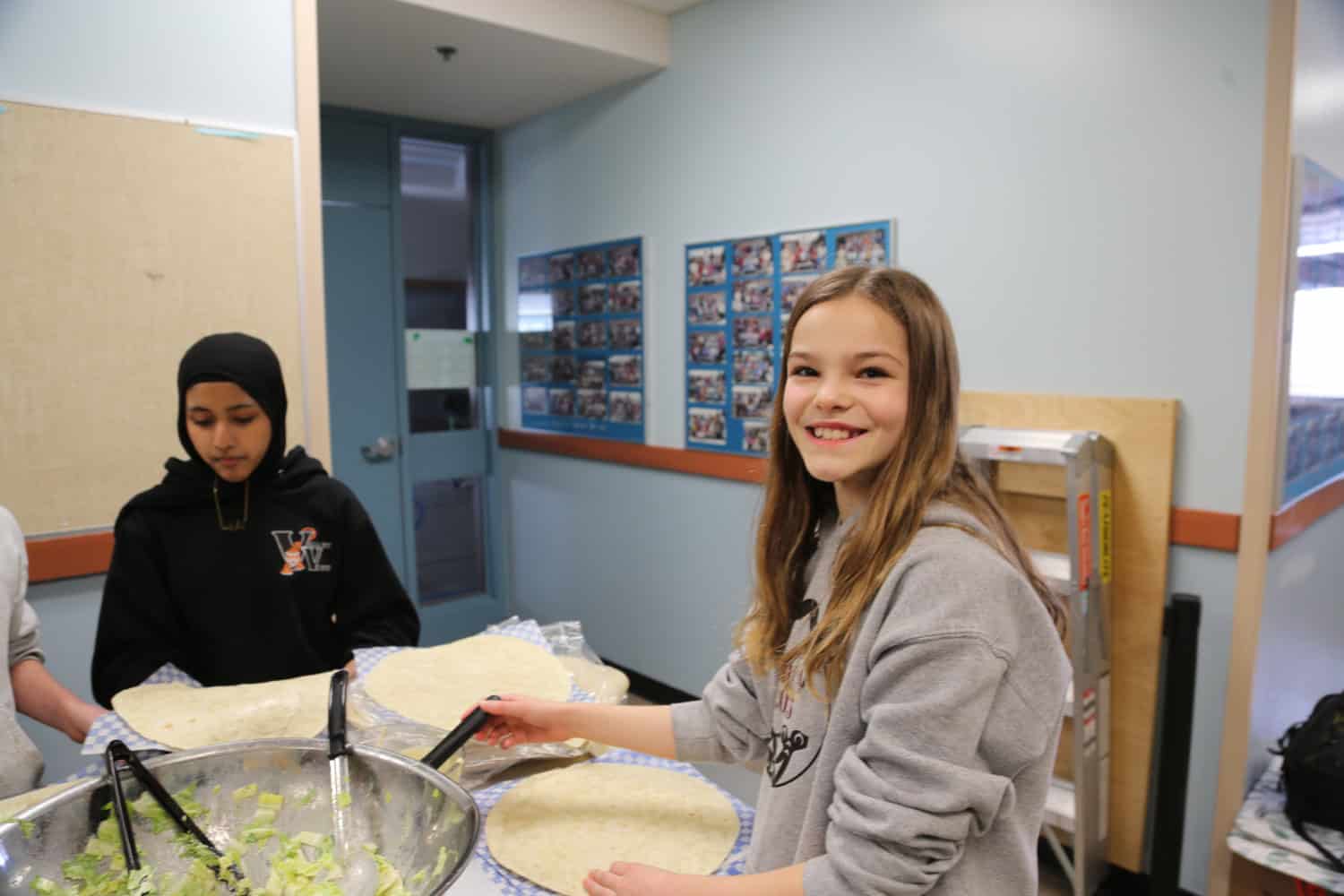
Between September and November 2025, a total of 67,721 lunches were served through Feeding Futures supported programs throughout the district. While not all meals were fully subsidized, all were delivered through universal models designed to reduce stigma, remove barriers, and ensure consistent access to food. Family contributions covered approximately 45 to 75 per cent of meals, depending on the program model.
During this period, cost-recovery universal programs, delivered in partnership with Community School Societies, served 18,800 lunches, supporting broad access while maintaining program sustainability. Fully universal programs, offering daily meals to all students with no cost recovery, provided an additional 6,040 lunches, ensuring dependable access for students with the greatest need.
“Families at schools where the Universal Food program has been implemented have shared overwhelmingly positive feedback, noting that it eases both financial and time pressures and offers a more accessible, stigma-free way for students to reliably access nourishing food,” said SD 71 District Parent Advisory Council Chairperson Joanne Barr. “We believe this model is successful for filling school food gaps for families because it was purposefully designed and incorporates a successful recipe: food that kids are comfortable with, food that meets their nutritional needs, and food ordering that is accessible for families. We are excited to watch this incredibly needed initiative unfold in our schools and our community, as so much has been accomplished in such a short amount of time.”
The most significant growth occurred through new universal pay-what-you-can programs, which delivered 37,881 lunches in just three months. These programs combine universal access with optional family contributions, allowing participation without financial barriers while supporting long-term viability.
As of December 2025, universal food access is now available at 12 schools across Comox Valley Schools, with two additional programs planned for early 2026.
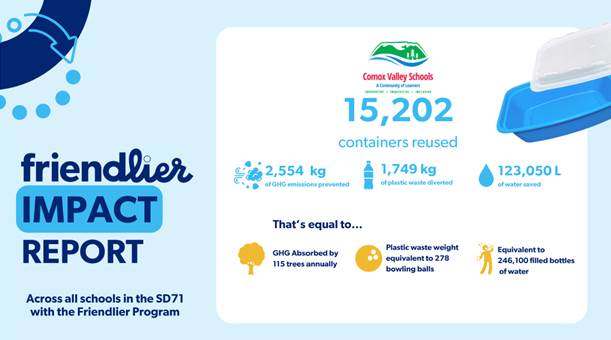
The district has also partnered with Friendlier, a reusable dish service, in several schools to reduce waste and support environmentally responsible meal delivery with over 15,000 containers being reused over three months this fall.
Comox Valley Schools receives approximately $1.14 million per year through B.C.’s Feeding Futures program, part of the province’s $214 million, three-year investment, along with $340,150 in federal National School Food Program funding for 2025–26 to further expand and strengthen school food programming.
The Feeding Futures work underway in Comox Valley Schools has prompted conversations with other school districts interested in learning more about the program’s design and implementation.
Comox Valley Schools remains committed to expanding equitable access to food, recognizing that nutrition is foundational to student well-being, engagement, and learning success.